
How to Design Your Own Kitchen – Creating Your Dream Kitchen Step by Step
Assessing Your Needs for Kitchen Design
Before diving into the details, it’s essential to evaluate your kitchen needs. Think about how you use your kitchen daily and what features are most important to you. Consider whether you need ample storage, extra seating, or specific appliances to accommodate your cooking habits. By understanding these requirements, you can start to form a vision for how to design your own kitchen.
Defining Your Kitchen Style
Modern and Sleek
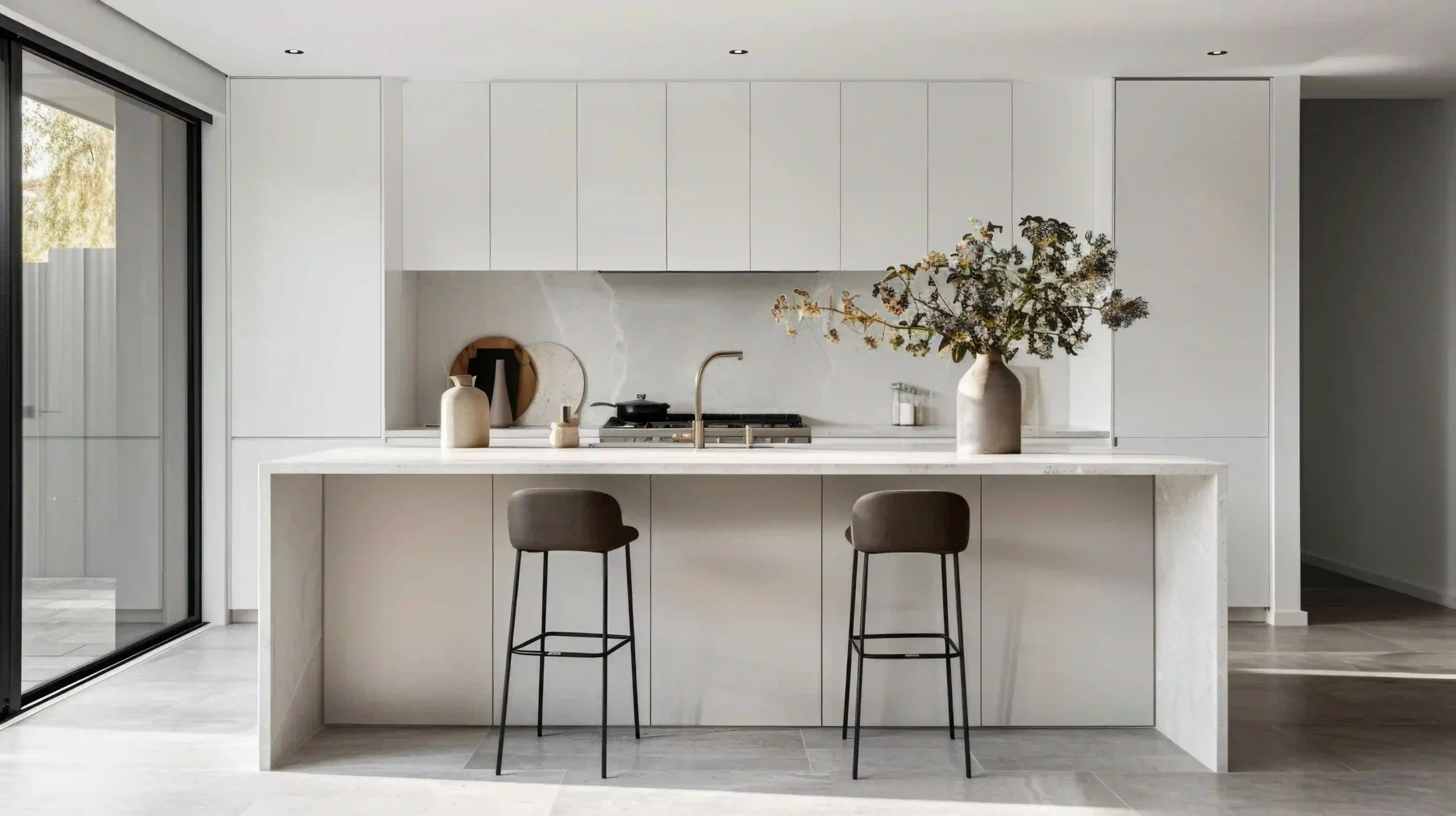
Modern kitchens emphasize clean lines and minimalism. To achieve this look, consider flat-panel cabinets, stainless steel appliances, and a neutral color palette with occasional bold accents. Quartz countertops are an excellent choice for their sleek appearance and durability. This style creates a polished, uncluttered space perfect for contemporary homes.
Rustic Kitchen Charm
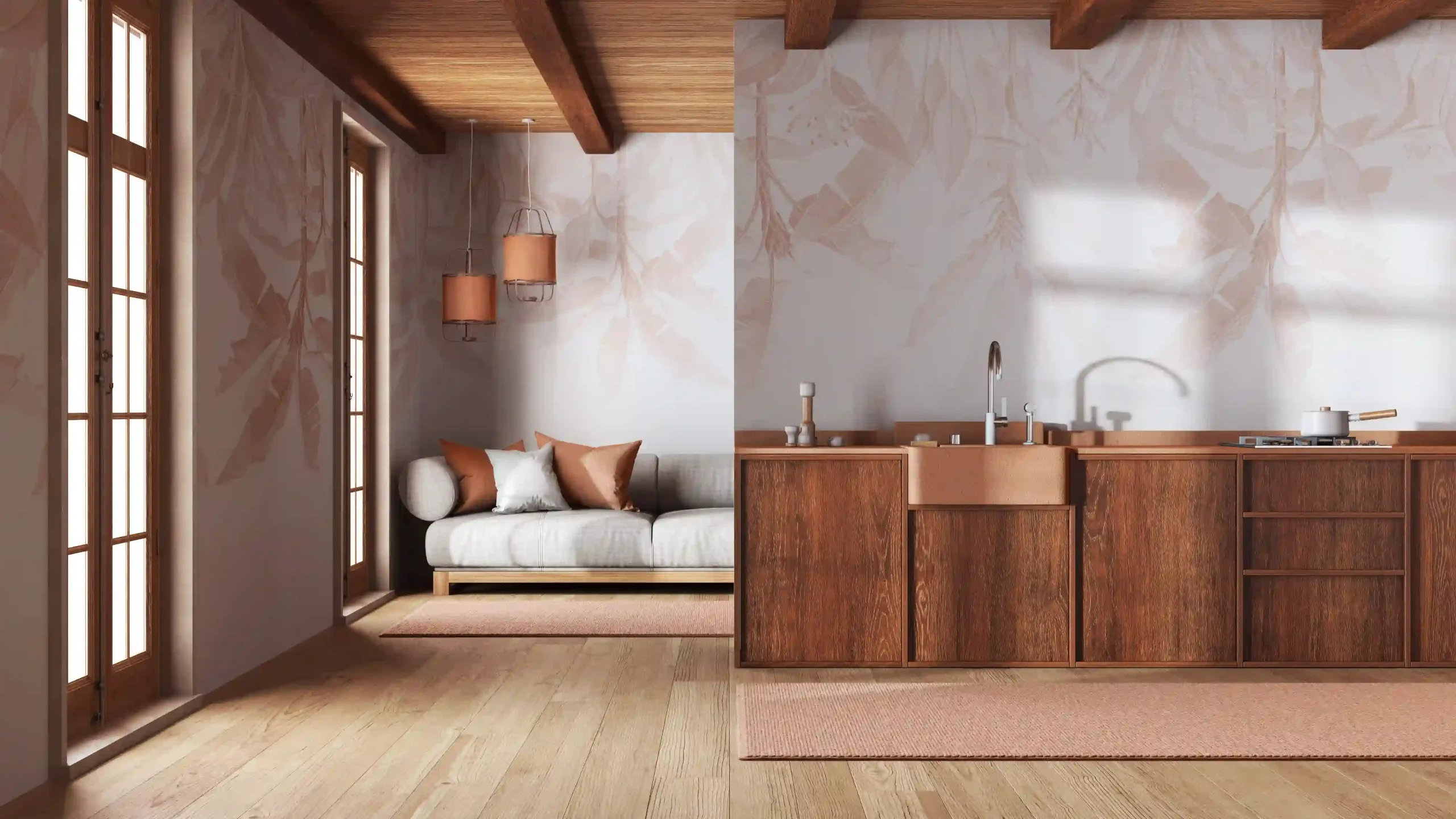
A rustic kitchen offers warmth and coziness with natural materials and earthy tones. Reclaimed wood cabinetry, farmhouse sinks, and vintage-inspired fixtures are key elements. Adding custom cabinetry with distressed finishes can enhance the charm. This style is ideal for those who value a homey, inviting atmosphere.
Eclectic Kitchen Designs
An eclectic kitchen combines various styles, colors, and textures to create a unique look. Mix and match countertops, use bold tiles, or incorporate artistic elements for a personalized touch. Custom cabinetry plays a significant role in tying everything together. This design approach is perfect for those who want their kitchen to stand out and reflect their individuality.
How to Design Your Own Kitchen Layout
Applying the Work Triangle Principle
The work triangle—comprising the sink, stove, and refrigerator—is a cornerstone of efficient kitchen design. Ensuring these three areas are easily accessible minimizes unnecessary movement and enhances functionality. This principle is key when considering how to design your own kitchen.
Adding Kitchen Islands
Kitchen islands can provide additional workspace, storage, and seating. When designing your island, consider its size and features, such as built-in sinks or under-counter storage. Islands are versatile and can serve as the focal point of your kitchen layout.
Open vs. Closed Layouts
Choosing between an open or closed layout depends on your lifestyle and preferences. Open layouts are great for socializing and creating a sense of space, while closed layouts offer privacy and a dedicated cooking area. Both options have unique benefits, so choose what works best for your needs.
Selecting Materials and Finishes
Custom Cabinetry Options
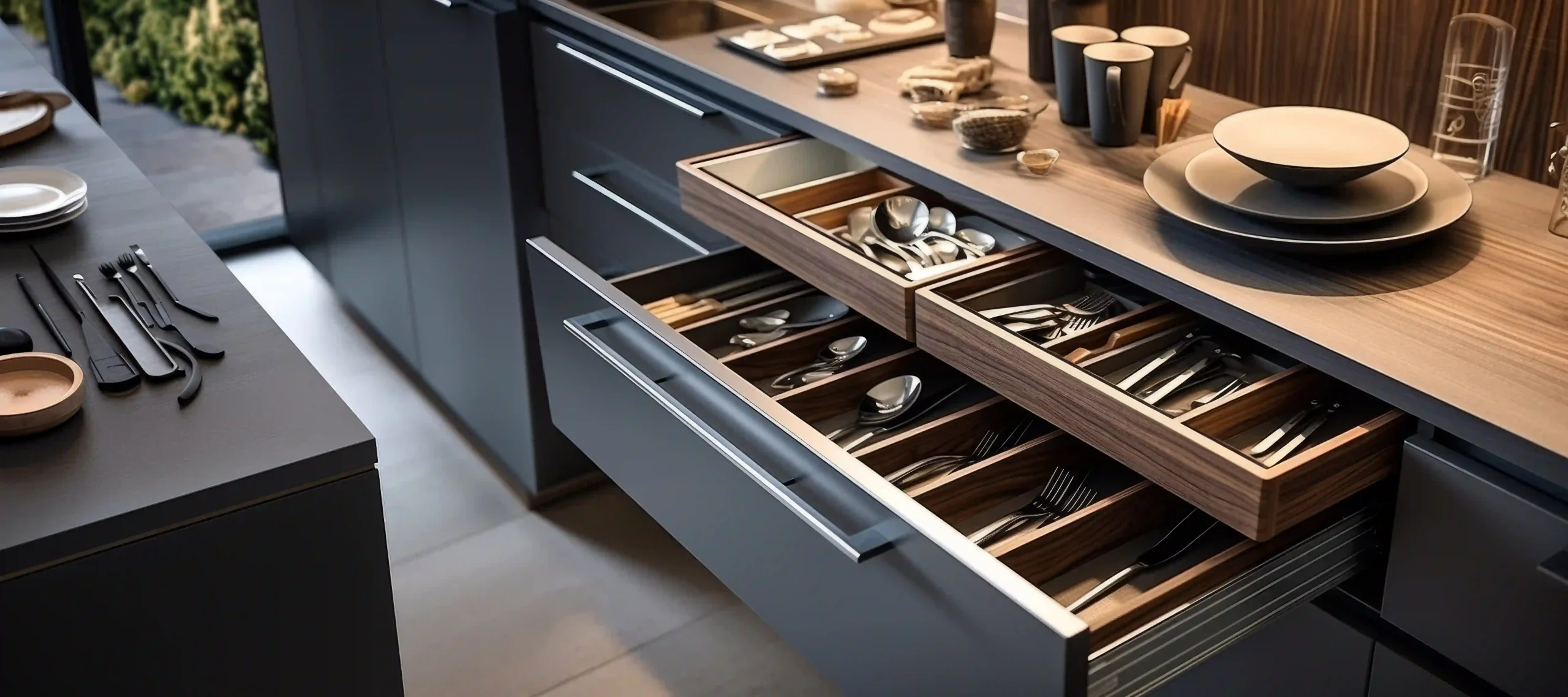
Custom cabinetry allows you to design storage solutions that fit your kitchen perfectly. Solid wood offers durability and a classic look, while painted finishes add a touch of color and personality. Cabinets with built-in organizers or pull-out shelves enhance functionality.
Durable Countertops
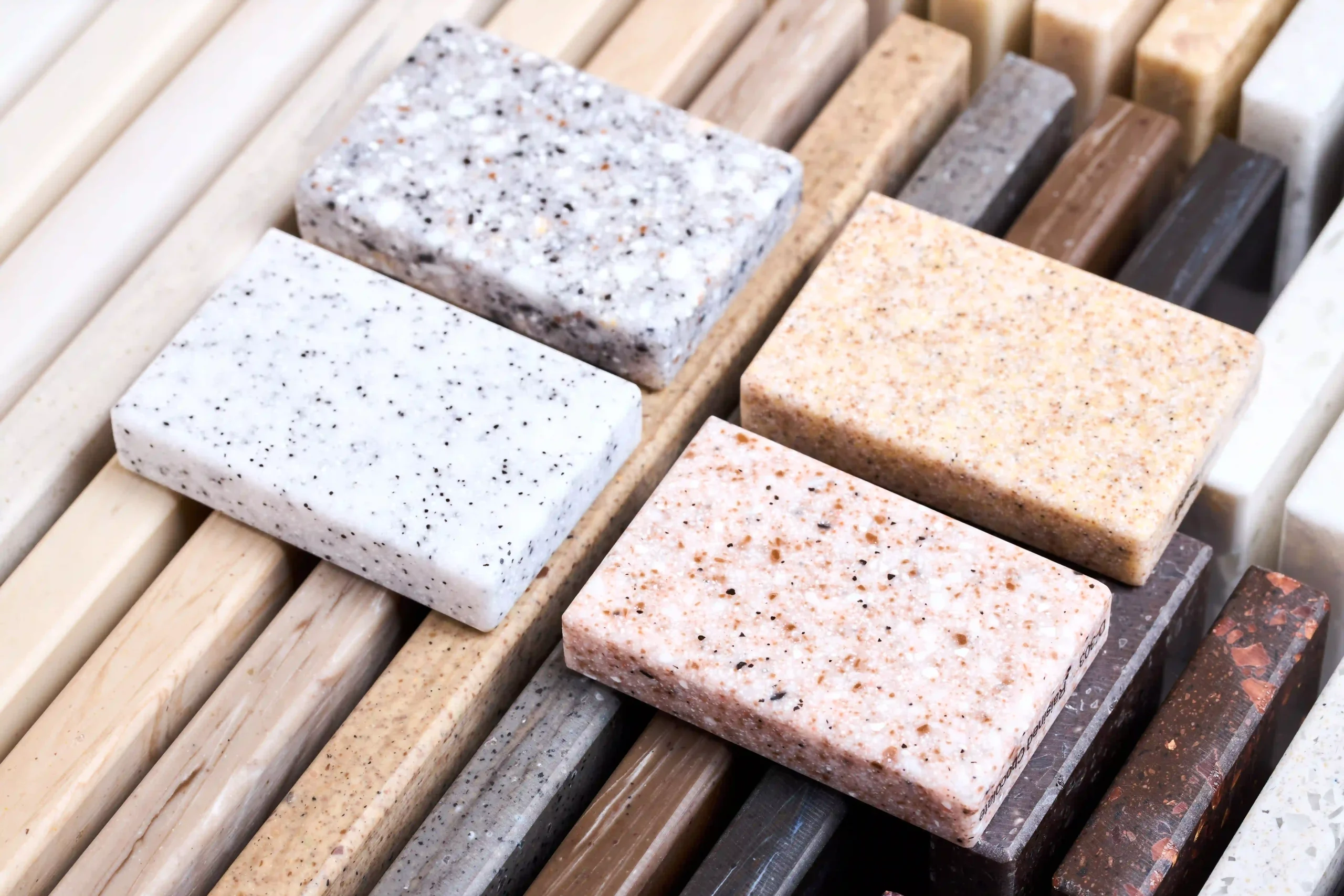
Countertops are both a functional and aesthetic component of your kitchen. Quartz countertops are a popular choice for their durability and low maintenance. For a rustic kitchen, consider butcher block or stone surfaces that add warmth and texture. Selecting the right countertop material ensures your kitchen is both beautiful and practical.
Stylish Kitchen Flooring
Kitchen flooring must be durable, easy to clean, and visually appealing. Hardwood floors provide timeless elegance, while tiles offer versatility in patterns and colors. For budget-friendly options, vinyl and laminate flooring can replicate the look of natural materials. Choosing the right flooring enhances the overall design of your kitchen.
Incorporating Technology into Your Kitchen
Smart Appliances
Modern kitchens often integrate smart appliances to improve convenience. Smart refrigerators, ovens, and lighting systems can be controlled remotely, making your kitchen more efficient. These innovations are especially beneficial when considering how to design your own kitchen for the future.
Enhanced Lighting Solutions
Lighting is crucial for both functionality and ambiance. Under-cabinet lighting ensures sufficient task lighting, while pendant lights over kitchen islands add style. Dimmer switches allow you to adjust the brightness to suit different times of day or activities.