

What Height Should Kitchen Units Be for Optimal Comfort?
Factors to Consider
Individual Needs: If you or your family members are significantly taller or shorter than average, it’s worth customizing the height to ensure maximum comfort.
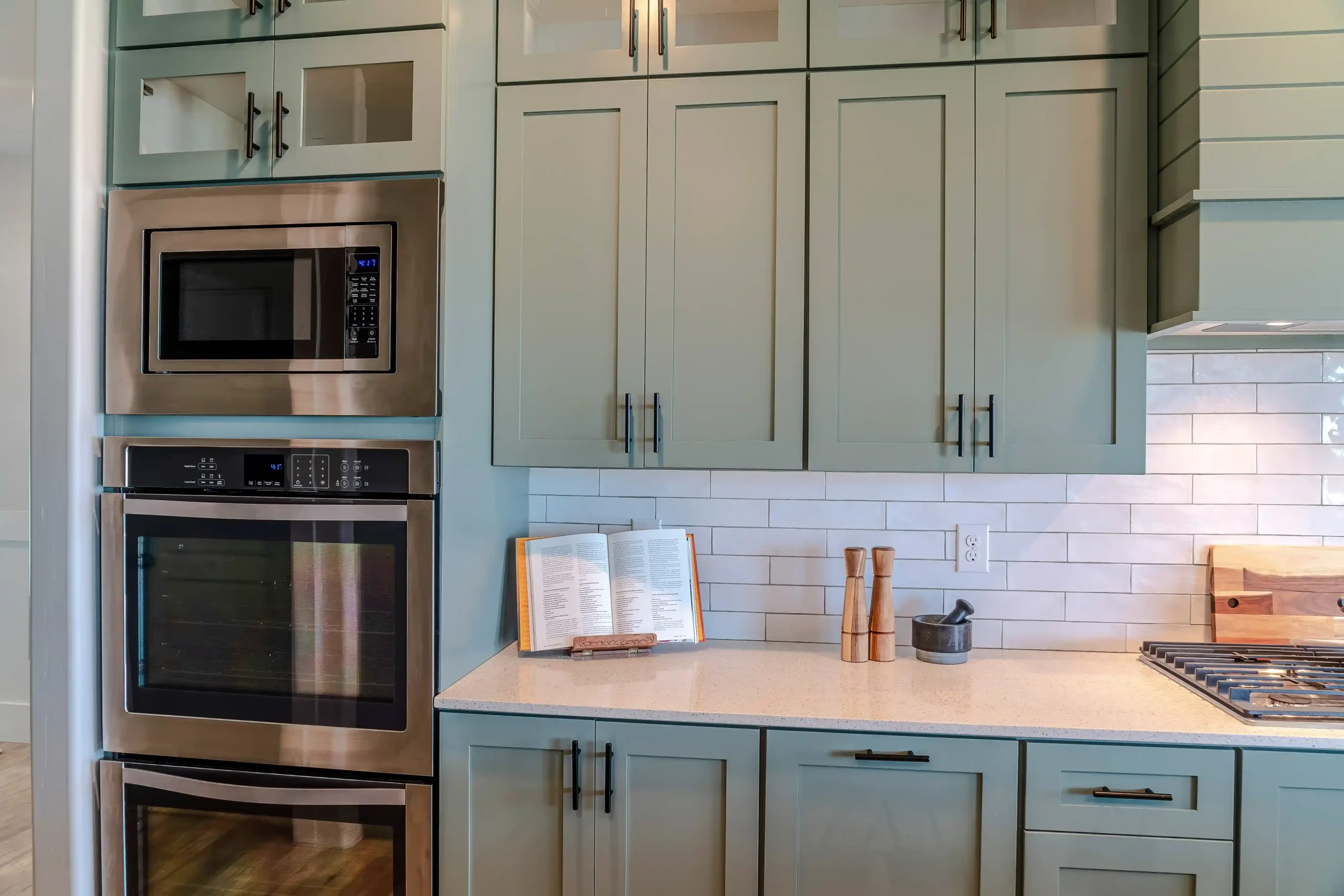
Kitchen Wall Units: What Height Should They Be Installed?
When installing kitchen wall units, their height is just as important as the base units. Proper placement ensures easy access and maximizes storage without making the kitchen feel cramped.
Ideal Installation Height
Above Worktops: Wall units are typically placed 450–500 mm above the worktop. This allows enough room for food preparation while keeping items within reach.
Adjusting for Ceiling Height: In kitchens with high ceilings, taller wall units or stacked cabinets can provide additional storage. Conversely, lower ceilings may require compact or customized units.
Seamless Design: Wall units should align visually with tall features like larder units or open shelves, creating a balanced look.
Freestanding Options
For those exploring freestanding kitchen units, wall-mounted shelves or standalone cupboards can provide flexibility. These are particularly useful in smaller kitchens or rental spaces, where permanent installations may not be feasible.
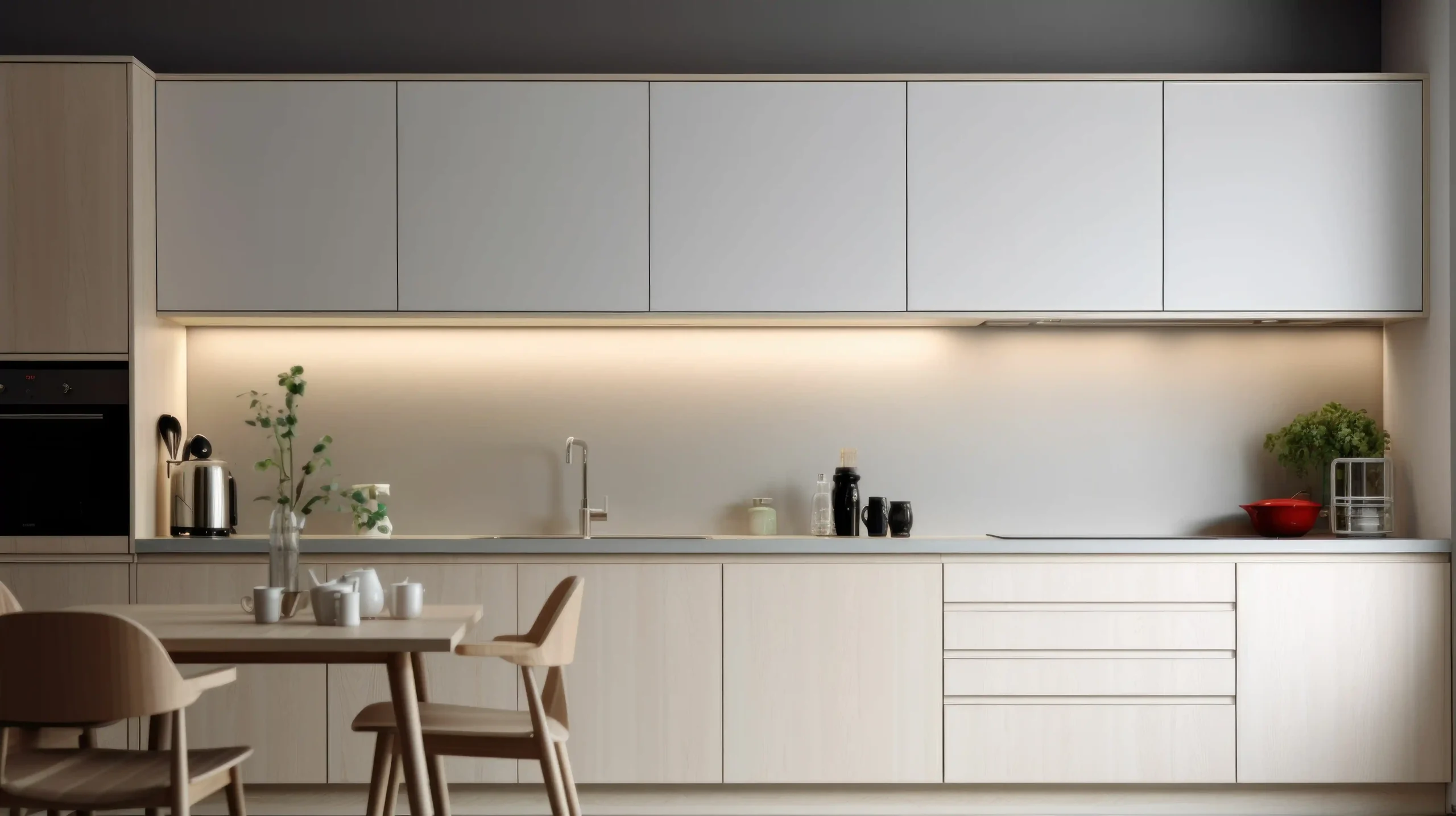
Freestanding Kitchen Units: What Height Should They Be?
Freestanding kitchen units offer unparalleled versatility, especially for those who enjoy rearranging or adapting their spaces. But what height should kitchen units be when they are freestanding?
Key Considerations
Standard Heights: Freestanding units generally follow the same height range as built-in base units (870–920 mm). This ensures they integrate seamlessly with other kitchen features.
Adjustability: Many freestanding units come with adjustable legs, allowing you to level them on uneven floors or customize their height for specific uses.
Matching Styles: Whether it’s free standing kitchen larder units or standalone islands, ensure their height complements the rest of your kitchen design.
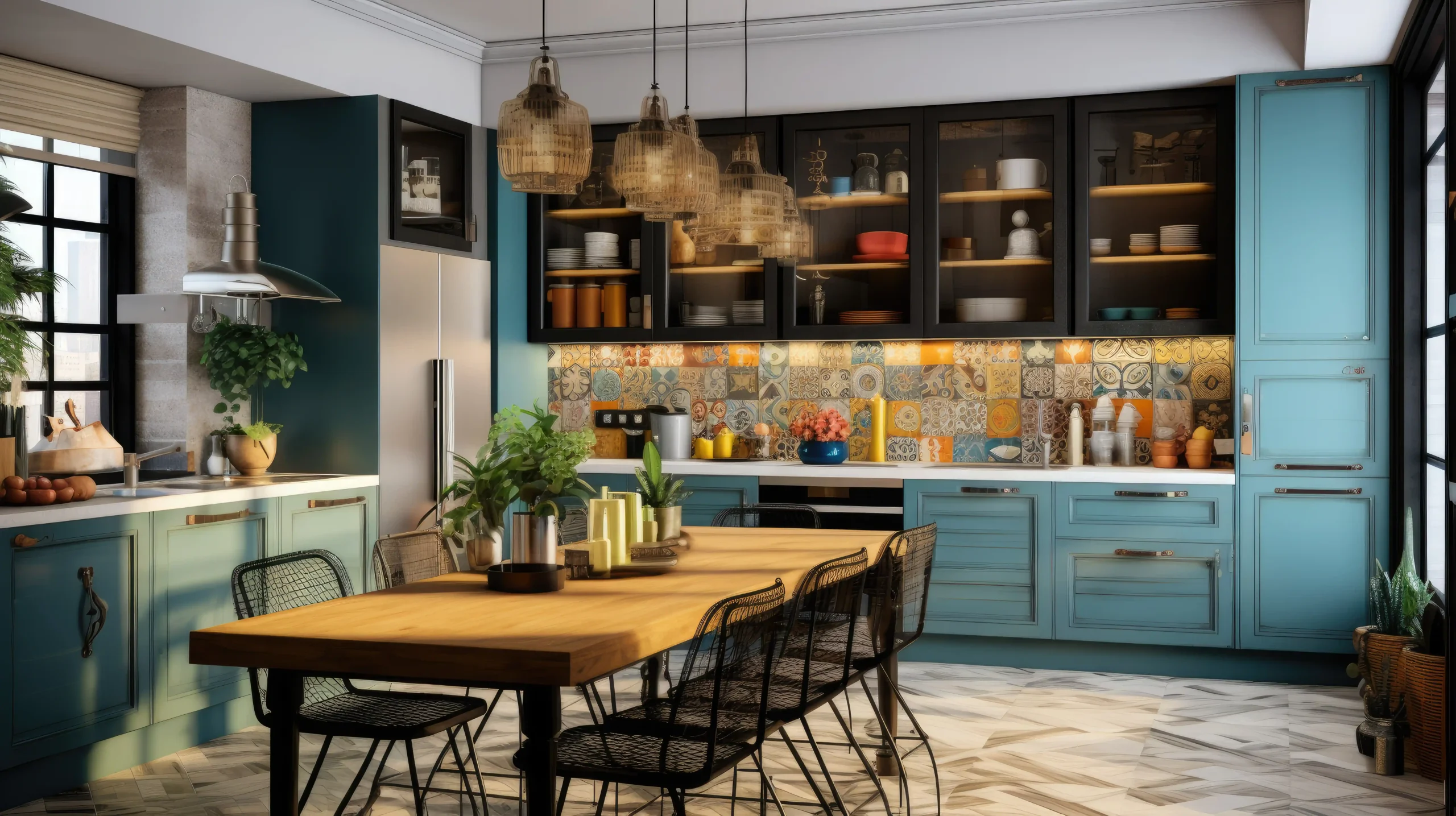
Corner and Drawer Units: Perfect Heights for Accessibility
When incorporating kitchen corner units and kitchen drawer units into your design, height plays a crucial role in functionality.
Corner Units
Integration: Corner units are usually designed to match the height of base cabinets, ensuring a cohesive appearance.
Maximizing Space: Utilize pull-out or carousel mechanisms to make the most of corner spaces, particularly in smaller kitchens.
Practical Placement: Ensure the unit height allows for smooth operation and complements surrounding cabinetry.
Drawer Units
Base-Level Drawers: These should align with the height of adjacent base cabinets for a unified look.
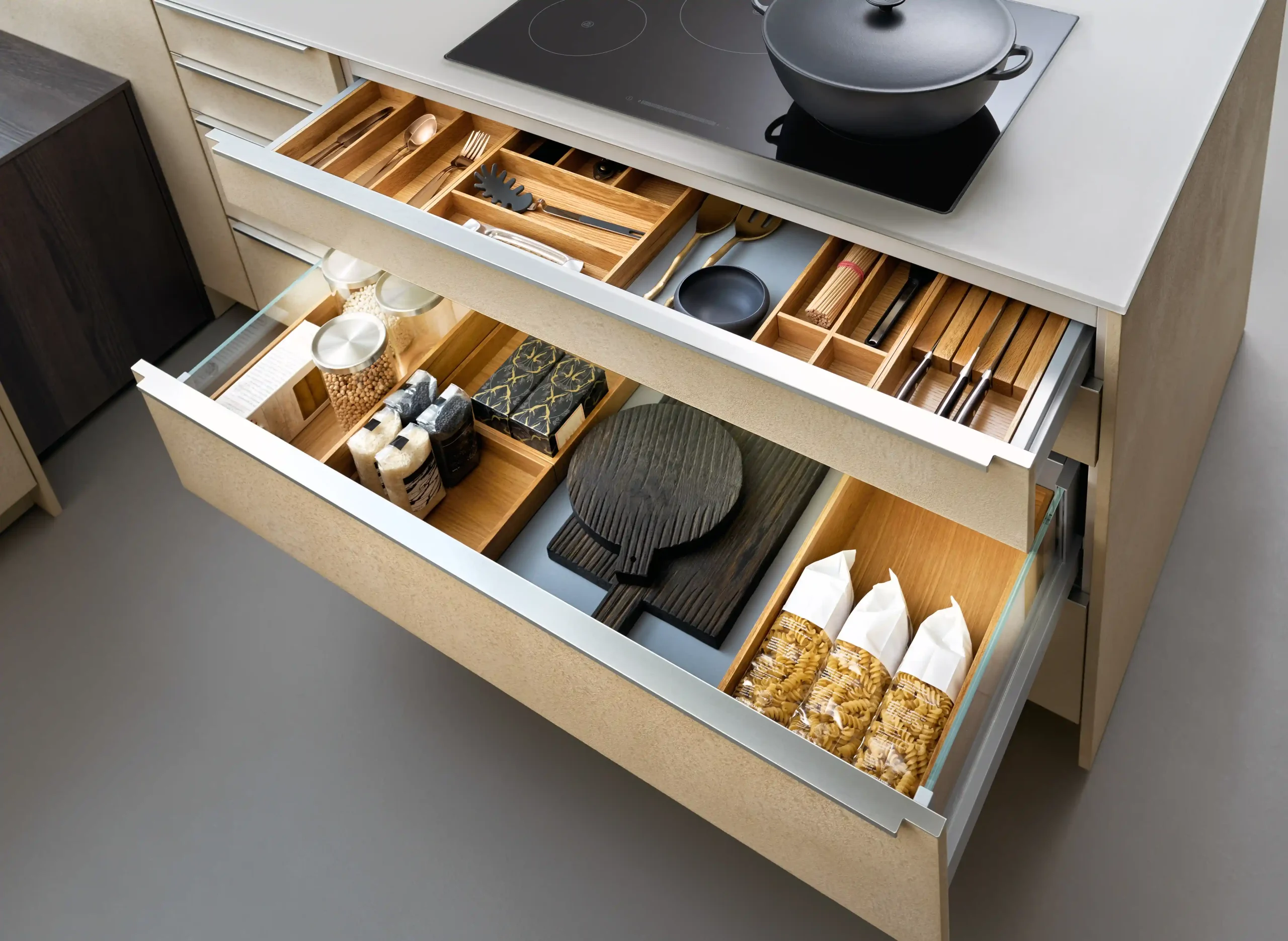
Deep Storage: Deep kitchen drawer units are ideal for storing larger items like pots and pans, while shallow ones are perfect for utensils and cutlery.
Customization: Many homeowners choose to mix drawer heights within a single unit to maximize storage versatility.
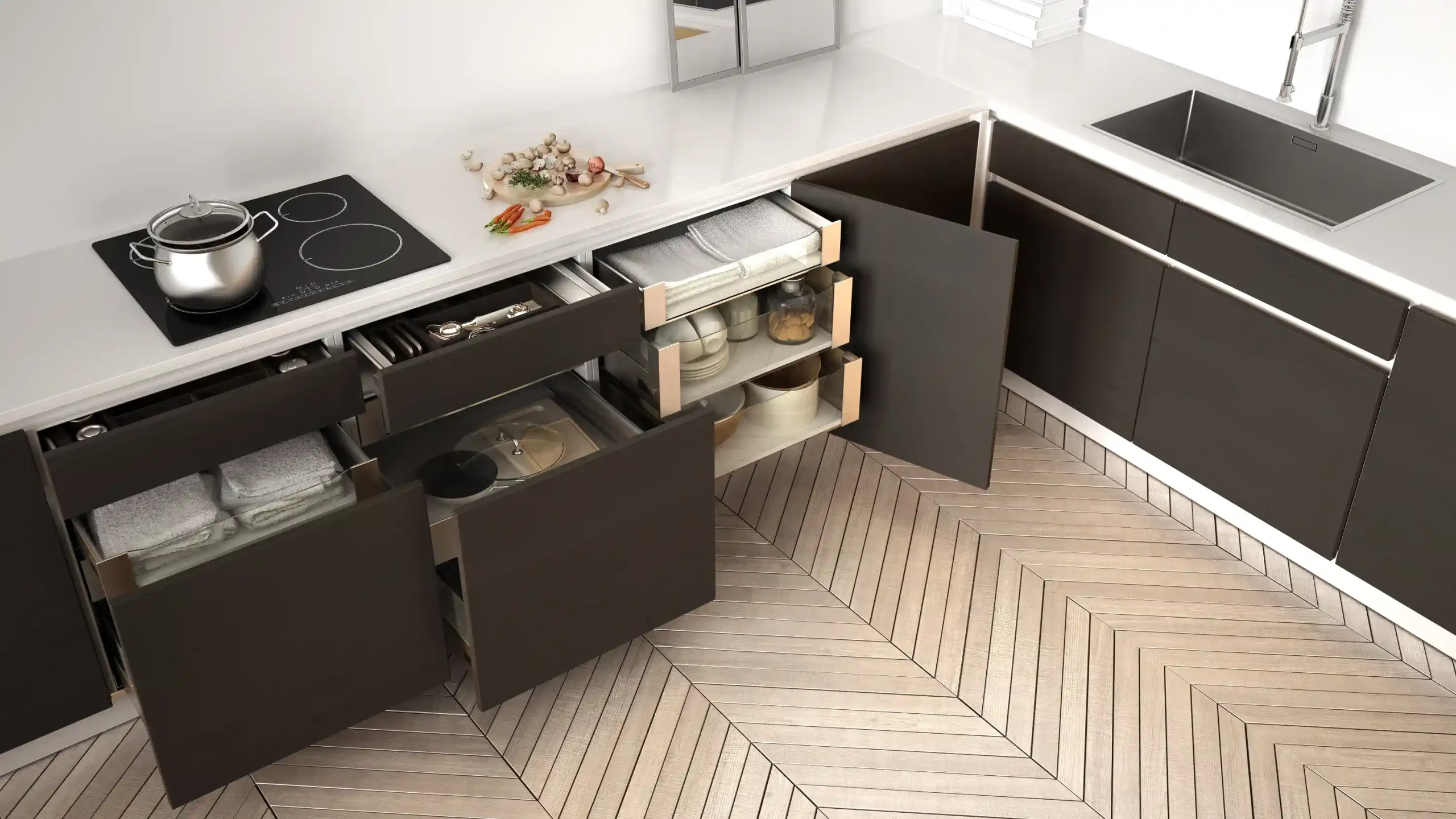
Tall Kitchen Units: Enhancing Vertical Storage
Tall kitchen units are a fantastic way to increase storage space while maintaining a sleek and modern look.
Standard Heights
Pantry and Larder Units: These often reach 2000–2400 mm in height, making them ideal for storing dry goods, small appliances, and more.
Floor-to-Ceiling Units: In kitchens with high ceilings, floor-to-ceiling designs maximize vertical space while maintaining accessibility with pull-out systems or ladders.
Freestanding Options: Freestanding tall units, like oak kitchen units or stainless steel kitchen units, offer flexibility and can be relocated if needed.
Kitchen Shelving Units: Flexible Height Solutions
Kitchen shelving units provide open storage that is both functional and decorative. Their height should complement the rest of your kitchen.
Installation Tips
Adjustable Heights: Use adjustable brackets to create a versatile shelving system that can accommodate different-sized items.
Decorative Displays: Place shelves at eye level or slightly below for displaying decorative items, plants, or frequently used ingredients.
Practical Placement: Ensure shelves are not installed too high, especially in smaller kitchens where accessibility is key.
Flat Pack Kitchen Units: Affordable and Flexible
Flat pack kitchen units are a popular choice for those seeking affordable, easy-to-assemble solutions.
Key Features
Standard Heights: Like built-in units, flat-pack options generally adhere to standard height guidelines but may offer customization during assembly.
Versatile Applications: These units work well for temporary setups, rentals, or budget-conscious renovations.
Durability and Style: Modern flat-pack designs are available in a variety of materials and finishes, from oak kitchen units to high-gloss laminates.
What Height Should Kitchen Units Be: Final Thoughts
Answering the question what height should kitchen units be involves balancing ergonomics, design preferences, and practical considerations. From kitchen wall units to freestanding kitchen units, tailoring the height to suit your needs ensures a functional and visually appealing space.
Whether you opt for bespoke designs, flat-pack solutions, or a mix of both, the right unit height can make a significant difference in your kitchen’s usability and aesthetic. With careful planning and attention to detail, you’ll create a kitchen that is both beautiful and built to last.
Choosing the Perfect Kitchen Bar Stools: What Height Should Bar Stools Be?
When selecting bar stools for your kitchen, it’s essential to ensure they complement the height of your kitchen units. For the best comfort and functionality, bar stools should typically match the height of your kitchen island or countertop. Learn more about how to choose the perfect bar stool height in our guide Choosing the Perfect Kitchen Bar Stools.